Nursing Home Abuse Lawyer: Advocating for Justice and Safety
Elder care abuse continues to be a pressing issue, often hidden behind closed doors. Those affected encounter significant obstacles when pursuing justice, making them feel defenseless and abandoned. An elder abuse attorney serves a critical function in addressing these injustices. Such get details on this attorneys deliver crucial legal guidance, ensuring that victims can assert their rights. Grasping the intricacies of these circumstances remains crucial for loved ones exploring their alternatives. What measures should families consider to defend their vulnerable relatives?
Understanding the Signs of Nursing Home Abuse
How can families identify the subtle signs of nursing home abuse? Being aware of these signs is crucial for safeguarding the welfare of loved ones. Unexplained bruises, cuts, or weight loss are physical indicators that can suggest neglect or mistreatment. Signs of emotional distress, including withdrawal, depression, or abrupt behavioral changes, may also be indicators of abuse. It is important for families to observe how their loved one interacts with staff, as fearful behavior or hesitancy to communicate can be revealing. Unexplained financial changes, including missing items or sudden withdrawals, could point to financial exploitation. Regular visits and open conversations with residents can help families stay informed about their loved one's condition. Keeping a record of any worries or observations can serve as critical evidence if the situation requires it. In the end, staying alert and informed is fundamental to detecting possible abuse and maintaining a secure environment for those in nursing care.
What a Nursing Home Abuse Lawyer Can Do for You
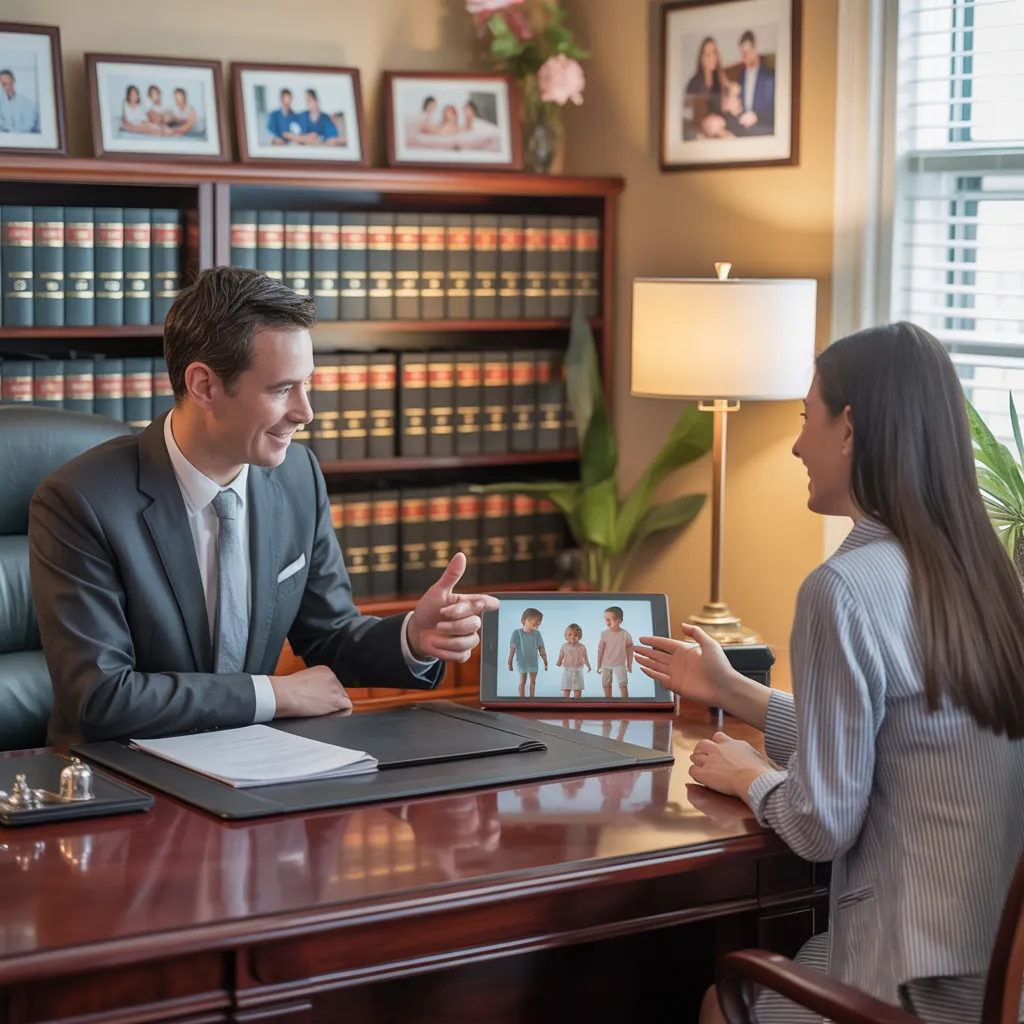
A elder abuse lawyer offers essential legal advocacy for those seeking justice. These professionals play a crucial role in examining abuse allegations, compiling evidence, and developing a solid case. Additionally, these lawyers work to obtain financial restitution for victims and their families, managing the emotional and monetary impact of this type of abuse.
Legal Support For Victims
Nursing home abuse victims often face significant emotional and physical difficulties, making legal representation essential for managing their complex situations. An experienced nursing home abuse lawyer provides critical support by making sure victims are aware of their rights and legal options. These skilled attorneys can effectively navigate the complicated legal landscape, assisting in gathering evidence and constructing a compelling case. They work to secure fair compensation, addressing medical costs, emotional suffering, and additional damages. Additionally, a skilled lawyer is able to negotiate with nursing home facilities and insurance providers, alleviating the burden on victims and their families. By offering dedicated guidance and legal expertise, nursing home abuse attorneys play an important role in empowering victims to seek justice and reclaim their dignity.
Investigating Abuse Claims
Grasping the nuances of nursing home abuse cases is essential for those pursuing justice. A nursing home abuse lawyer serves a critical function in evaluating these matters. They initiate the process by collecting relevant evidence, including health records, testimonies from witnesses, and institutional records. This thorough investigation often requires conducting on-site visits to evaluate the environment and speaking with employees and residents. Attorneys also work with experts to detect evidence of abuse or negligence that may remain hidden from plain sight. By utilizing their understanding of local and national laws, they can evaluate the legitimacy of claims and develop a strong legal strategy. Ultimately, the lawyer's resolve to expose the realities helps guarantee accountability and supports victims in their pursuit of justice.
Obtaining Financial Compensation
Acquiring monetary compensation for elder abuse in nursing homes requires traversing a complicated legal landscape. A elder abuse attorney plays a vital role in supporting families and victims through this multifaceted process. They evaluate the merits of the case, collect critical evidence, and prove liability. By leveraging their legal expertise, these attorneys can deal with insurers and opposing parties to achieve favorable settlements. If settlement discussions break down, they are ready to fight aggressively in court. Recoverable compensation can include medical costs, pain and suffering, and additional losses caused by the abuse. In the end, a experienced nursing home abuse advocate guarantees that victims secure the monetary support required for recovery and accountability, holding negligent parties accountable for their actions.
Understanding the Legal Process for Filing a Claim
When navigating the legal process for submitting a nursing home abuse claim, there are several key aspects to understand. This encompasses recognizing the different types of abuse claims, the critical need for thorough evidence collection, and a review of the applicable legal timeline. Each of these components plays a vital role in building a strong case for victims and their families.
Forms of Abuse Claims
Nursing home abuse can take various forms, each requiring specific legal considerations for those looking to seek justice. The most prevalent types of abuse claims involve physical, sexual, emotional, and financial abuse. Residents who suffer harm or injury are victims of physical abuse, while verbal harassment and psychological manipulation constitute emotional abuse. Sexual abuse is characterized by any form of non-consensual sexual contact, and financial abuse involves the unauthorized exploitation of a resident's funds or assets. Neglect is another significant concern, characterized by the failure to deliver essential care, leading to deterioration in health and well-being. Each type of abuse necessitates a tailored legal approach, underscoring the need to understand the nuances involved in the claims process to properly advocate for the rights and protection of vulnerable individuals residing in nursing homes.
Evidence Acquisition Process
A comprehensive grasp of the evidence collection process is essential for people filing claims related to nursing home abuse. Gathering compelling evidence is central to any legal claim, necessitating thorough attention to detail. This process often begins with collecting medical records, photos of physical injuries, and witness statements from staff or other residents. Recording incidents with specific dates and times is crucial. Furthermore, retaining any tangible evidence, such as personal belongings or garments, can assist in identifying a recurring pattern of abuse. Consulting a nursing home abuse attorney can supply insight into the types of evidence needed and guarantee proper procedures are followed. Ultimately, thorough documentation improves the likelihood of securing justice for nursing home abuse victims.
Legal Timeline Overview
Comprehending the procedural schedule for filing a claim in instances of nursing home abuse is crucial for patients and their relatives. The process typically begins with an first discussion with a elder abuse legal professional, who will assess the strengths of the case. Following this, evidence must be gathered, which can span multiple weeks. Once sufficient evidence is collected, a legal complaint is initiated, beginning the legal process. The schedule differs based on state laws, but as a rule, a claim must be filed within a specific statute of limitations, commonly spanning one to three years. Following the submission, mediation or settlement talks may take place, and should no agreement be reached, the matter may advance to court, which can prolong the overall timeframe.
Critical Evidence for Your Nursing Home Abuse Case
Documentation plays an essential role in validating cases involving nursing home abuse. To build a compelling case, different kinds of documentation and witness accounts are critical. Medical records can offer comprehensive information about injuries or neglect, while photographs of injuries or hazardous conditions can visually support allegations. Additionally, incident reports filed by nursing home staff serve as official documentation of any incidents involving abuse or neglect.
Testimonies from residents, family members, or employees can also substantiate claims. CCTV footage, if obtainable, can be invaluable in establishing the abuse or neglect in question. In addition, records of communication, such as emails or texts between family members and nursing home staff, may disclose earlier concerns noted about the quality of care.
Compiling and documenting this evidence promptly enhances the probability of a favorable legal result. A nursing home neglect attorney can guide affected individuals and their loved ones in obtaining necessary documentation to seek justice on their behalf.
What Compensation Can Nursing Home Abuse Victims Expect
Those who have suffered nursing home abuse are entitled to seek damages for the injuries they have suffered, which can vary widely based on the unique circumstances of each situation. Elements that affect compensation include the degree of bodily injuries, psychological suffering, and economic damages resulting from medical expenses or reduced quality of life. Moreover, exemplary damages may be imposed in cases of egregious neglect or intentional harm, serving to discourage future negligent behavior.
When assessing claims, courts may consider the severity of abuse, the length of time the victim suffered, and the impact on the victim's family. Securing legal representation is critical, as knowledgeable nursing home abuse attorneys can assist victims in understanding and navigating the legal system and advocate for fair compensation. At its core, the aim is to reach an agreement that fully accounts for all damages and fosters a culture of accountability at the caregiving institution.
How to Select a Nursing Home Abuse Attorney
What is the best way to choose a nursing home abuse attorney? The process begins by researching attorneys who specialize in elder law and nursing home abuse cases. An attorney's background and history of results are essential; prospective clients ought to look for attorneys with a record of favorable results in comparable situations.
In addition, customer feedback and reviews can provide insight into an legal professional's skill and dedication. One should question the attorney's approach to cases, including their commitment to proceeding to trial when circumstances demand it.
The accessibility and communication approach are also key factors; clients should feel comfortable discussing sensitive issues.
Lastly, review the attorney's payment arrangement—learning if they handle cases on a contingency arrangement can heavily affect a client's decision. By following these guidelines, clients can identify a nursing home abuse lawyer who will strongly champion justice and safety.
Legal Methods for Preventing Nursing Home Abuse
Choosing a knowledgeable nursing home abuse attorney can pave the way for addressing and preventing subsequent cases of abuse. Sound legal tactics begin with thorough investigations into the nursing home's practices and the assistance offered to residents. Lawyers often gather supporting materials, including witness testimonies and medical records, to identify a recurring cycle of abuse or neglect.
Additionally, they may encourage families to make note of any evidence of neglect, building a firm groundwork for taking legal steps. Legal representatives can also advocate for better safety standards and guidelines within residential care homes, emphasizing the need for clarity and answerability.
Engaging in negotiation or mediation can frequently result in faster outcomes, serving the interests of both residents and care facilities. At its core, a forward-thinking course of action not only seeks justice for victims but also strives to establish a more secure atmosphere for every resident in nursing care, highlighting the significance of legal advocacy in preventing future abuse.
Commonly Asked Questions
What Should I Do if I Suspect Abuse?
Should abuse be suspected, it is advisable to document any observations, obtain evidence, and bring concerns to the attention of appropriate authorities. Consulting with professionals or advocates can supply insight into the next steps to safeguard the victim's safety and well-being.
Am I Able to File a Lawsuit Anonymously?
That is correct, plaintiffs can bring a lawsuit under a pseudonym in specific circumstances, subject to the jurisdiction and the nature of the case. Seeking guidance from a qualified attorney is advisable to understand the options available for preserving one's privacy throughout the legal proceedings.
How Much Time Do I Have to Submit a Claim?
Across most jurisdictions, claimants typically have one to three years' time to file a claim, depending on the specific circumstances and local laws. It is important to seek guidance from a legal professional for precise guidance regarding deadlines.
Are There Consequences for Reporting Suspected Abuse?
Indeed, there are penalties for failing to report suspected abuse, including fines and potential criminal charges. Protections for whistleblowers are in place to protect those who make reports, encouraging vigilance and accountability in protecting vulnerable individuals.
What Should You Do if the Abuser Is a Staff Member?
If the abuser is a staff member, the facility usually conducts an investigation into the allegations. Consequences may include disciplinary action, termination, or legal repercussions, depending on the severity of the abuse and applicable laws. Making a report is crucial.